
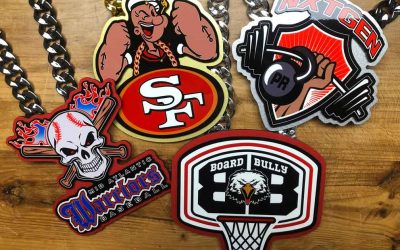
Dugout celebration chains have become one of the most recognizable traditions in baseball and softball because they combine emotion, identity, and team culture in one visible object. In a matter of seconds, a scoring moment becomes a shared ritual. Players understand what the chain means, coaches can shape how it is used, and families immediately recognize the celebration in photos and videos. That clarity is a major reason celebration chains continue to grow in popularity across levels.
While trends come and go, chains have remained because they are functional as well as fun. They provide structure around emotional moments in high-pressure games. A team can create standards for when the chain is awarded, who presents it, and how the moment is documented. Instead of random hype, the ritual becomes repeatable and purposeful. For programs focused on culture-building, that consistency matters as much as the visual impact.
Celebration Chains Create Instant Team Identity
Every successful program has symbols that players rally around. For some teams, it is a turnover prop, an award helmet, or a specific postgame routine. A custom home run chain works especially well because it is wearable, camera-friendly, and easy to tie to a single achievement. The moment a player puts it on, the entire dugout recognizes what happened and why it matters. That immediate recognition builds emotional momentum without requiring extra explanation.
Identity also extends beyond players. Fans, parents, and school communities quickly connect the chain with your program. Over time, the chain becomes part of your team brand. This is why many coaches treat chain design as a strategic decision, not just a novelty purchase. A clean custom concept aligned with mascot, colors, and team voice can reinforce program credibility throughout the season.
They Strengthen Dugout Energy During Long Games
Baseball and softball both include long stretches where momentum can shift quickly. A well-defined celebration ritual gives teams a way to reset focus after key offensive moments. When a player scores and receives the chain, it creates a shared burst of energy that can carry into the next inning. That energy is not only emotional. It can improve communication, bench engagement, and confidence at exactly the time teams need it most.
Importantly, chains are effective because they are visible to everyone in the dugout, not just the player who earned it. Teammates participate in the moment, and younger players learn what high-standard execution looks like in real time. Coaches can use the same moment to reinforce behaviors that led to success, such as disciplined at-bats, situational awareness, or aggressive but smart baserunning decisions.
The Ritual Helps Build Accountability
Popular celebration systems are not only about excitement. The strongest teams define rules for use. Some programs award the chain after every home run. Others include extra-base hits in critical game situations. Some coaches rotate it quickly between innings, while others reserve it for one signature team photo. Whatever the format, consistency turns the chain into a culture tool. Players know what earns recognition, and expectations stay clear all season.
Accountability grows when rituals are tied to standards rather than random moments. A chain can symbolize preparation, execution, and team-first effort. That gives the celebration depth. It also helps programs avoid the common pitfall of props that feel loud in week one but irrelevant by midseason. If the chain reflects values, not just noise, it remains meaningful over time.
Celebration Chains Work in the Social Media Era
Another reason dugout celebration chains are popular is simple: they photograph well. Teams now document nearly every game through phones, social channels, and recruiting content. A chain creates a clear focal point in those visuals. Even quick sideline photos become instantly recognizable when a custom pendant is visible. For programs trying to maintain active communication with supporters, this visual consistency is valuable.
Recruiting and community visibility also play a role. Prospective players and families often evaluate programs by culture as much as results. Celebration chains can help communicate that your team has energy, unity, and identity. They are not a substitute for development or coaching quality, but they can support the overall story your program tells publicly.
Custom Builds Make the Trend Sustainable
The trend has lasted because teams moved from generic props to custom home run chain designs that represent real program identity. Instead of copying a viral look, teams now create pendants with their mascot, initials, and color direction. That shift makes the tradition more authentic. It also prevents celebration gear from feeling dated after one season because the design belongs to your program, not to a short-lived social trend.
If your team is evaluating a chain build, start by reviewing examples on our gallery page and narrowing down the visual tone you want. Then align design size and finish choices with your dugout routine. Programs that make these decisions early tend to get more long-term value and stronger player buy-in.
Why This Trend Keeps Growing
In the end, dugout celebration chains are popular because they solve multiple team needs at once. They create a recognizable identity marker, raise emotional energy, support culture standards, and produce strong visual content. Few team traditions cover all those areas so efficiently. That is why chains continue to show up across baseball and softball levels, from youth organizations to established high school and travel programs.
For teams ready to implement the tradition, the best next step is to define your celebration rules and design direction before ordering. You can compare available options from our homepage, then refine details based on your roster and coaching style. A chain designed around your values will do more than celebrate one big swing. It will help reinforce the identity your program builds every day.