
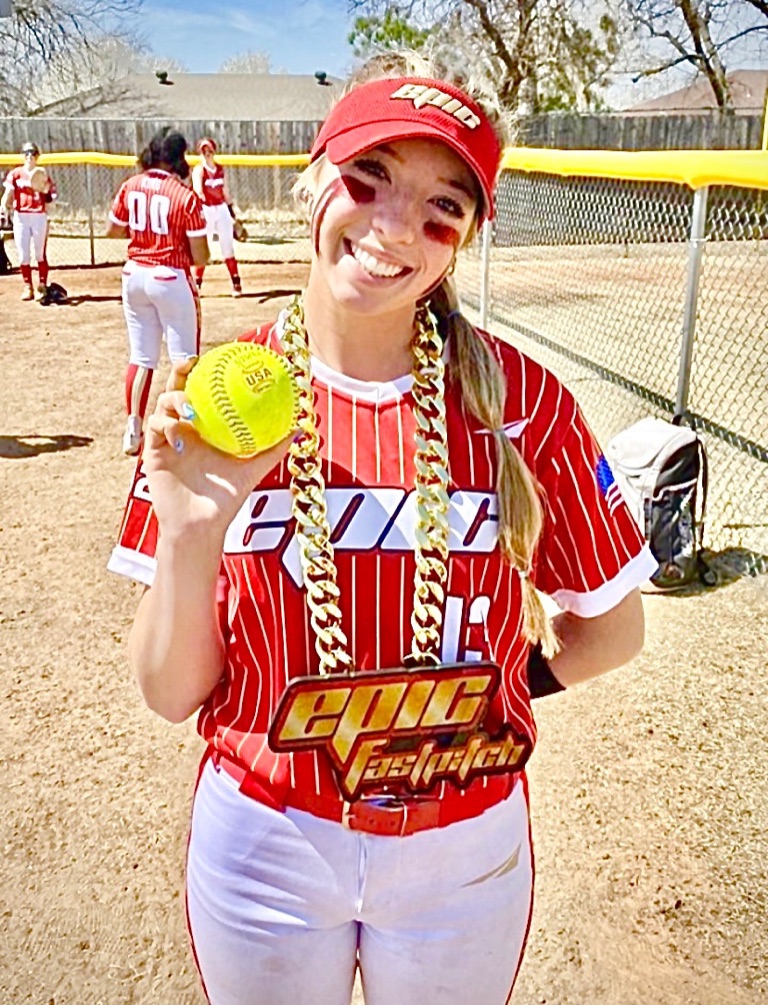
Softball teams have made celebration culture a major part of modern game-day identity, and custom home run chains now sit at the center of that trend. For many programs, the chain is more than a post-hit accessory. It is a visual tradition that players look forward to, coaches can use to reinforce team values, and families recognize immediately from photos and highlights. The right design feels intentional, fits your program personality, and stands up to real season use.
If your staff is evaluating options, start with clarity around outcomes. Are you trying to build dugout energy, strengthen a rebrand, improve team social content, or all three? Once those goals are clear, design decisions become easier. You can then compare chain style, pendant size, and finish options through the lens of what your program actually needs. Teams that take this approach usually end up with a stronger custom home run chain and fewer mid-process revisions.
Design Around Softball Program Identity
Softball teams often have distinct visual language compared with baseball programs. Uniform striping, script marks, and mascot usage can carry a different tone, and your chain should match that tone instead of copying another team. Start with one anchor element such as the mascot head, initials, or a clean script wordmark. Then build supporting details around that anchor. This keeps the pendant readable and prevents over-design.
Color planning is equally important. Many teams use at least two uniform palettes across home and away games, so think about how the chain reads in both settings. High-contrast combinations usually perform better in photos than subtle tone-on-tone looks. If your team regularly plays under varied lighting, ask for finish options that preserve edge definition. A custom chain that reads clearly in different environments will remain useful across the full schedule.
Choose a Pendant Size That Fits Dugout Flow
A larger pendant can create instant visual impact, especially for celebration photos and social posts. But size should also fit how your players actually move through innings. Some teams prefer oversized builds for high-energy traditions, while others choose medium profiles for comfort and repeat wear. There is no wrong answer, but the right choice should align with your roster age, dugout habits, and coaching expectations.
Test this in practical terms. Consider how quickly players receive and pass the chain after scoring. If your ritual includes multiple photo moments between innings, a lighter setup may be more efficient. If your team uses one signature “home run moment” shot, a larger pendant may produce stronger visual drama. The objective is consistency. A chain players enjoy wearing in real game conditions will be used more often and will become a stronger team symbol.
Build for Repeated Team Use
Softball schedules can be dense, with tournaments, travel weekends, and frequent weather variation. That means your home run chain needs to be durable enough for regular handling, not just occasional media content. When comparing options, focus on the quality of the finish, how cleanly edges are cut, and how the piece holds up after frequent wear. A durable build protects both appearance and budget across the season.
You should also think about storage and transport. Teams that keep the chain in a dedicated protective case between games tend to preserve finish quality longer. This is especially helpful for programs that carry celebration gear in shared equipment bags. Small operational details like this can make your custom chain feel premium for the full year, rather than looking worn by midseason.
Turn the Chain Into a Culture Tool
The best softball programs do not treat the chain as random hype. They define exactly when it is awarded, what behavior it represents, and how players handle the moment. Some teams award it after every home run. Others include extra-base momentum swings or game-changing offensive moments. Whatever your system is, document it and communicate it early so players understand the purpose of the tradition.
Coaches can use the chain moment to reinforce values such as communication, confidence, and team-first effort. This is where celebration pieces become meaningful. A custom home run chain can symbolize not just one swing, but the standards that led to that swing. When used consistently, it strengthens player buy-in and helps younger athletes connect with upperclassmen leadership models.
Plan Budget and Ordering With Booster Groups
Many softball teams rely on booster clubs and parent leadership for celebration gear budgets. To keep approvals smooth, prepare a short summary with one primary design concept, one backup option, timeline expectations, and starting budget range. This prevents indecision and gives stakeholders confidence that the order is being handled professionally. It also makes reorder planning easier if your team decides to add matching pieces later.
As you evaluate vendors, look at real product examples and finished team photos rather than relying only on mockups. You can compare proven looks directly in our gallery, then finalize direction with your staff. Once your concept is set, place the order with enough lead time before opening tournaments so your chain is ready for day-one use.
Keep the Process Simple and Team-Focused
Custom home run chains for softball teams work best when the design process stays focused on clarity. Pick a strong mascot or initials concept, match it to your uniform voice, and choose a build that fits real dugout routines. Avoid overcomplicating details that do not improve readability or team excitement. Most successful programs keep their chain strategy simple, then execute it consistently all season.
If you are ready to move from concept to production, review examples on our homepage and shortlist the styles that match your team identity. A chain built around your program values will look better, feel more authentic, and create a celebration moment players remember long after the final game.